
What is EMDR and How Does it Work?
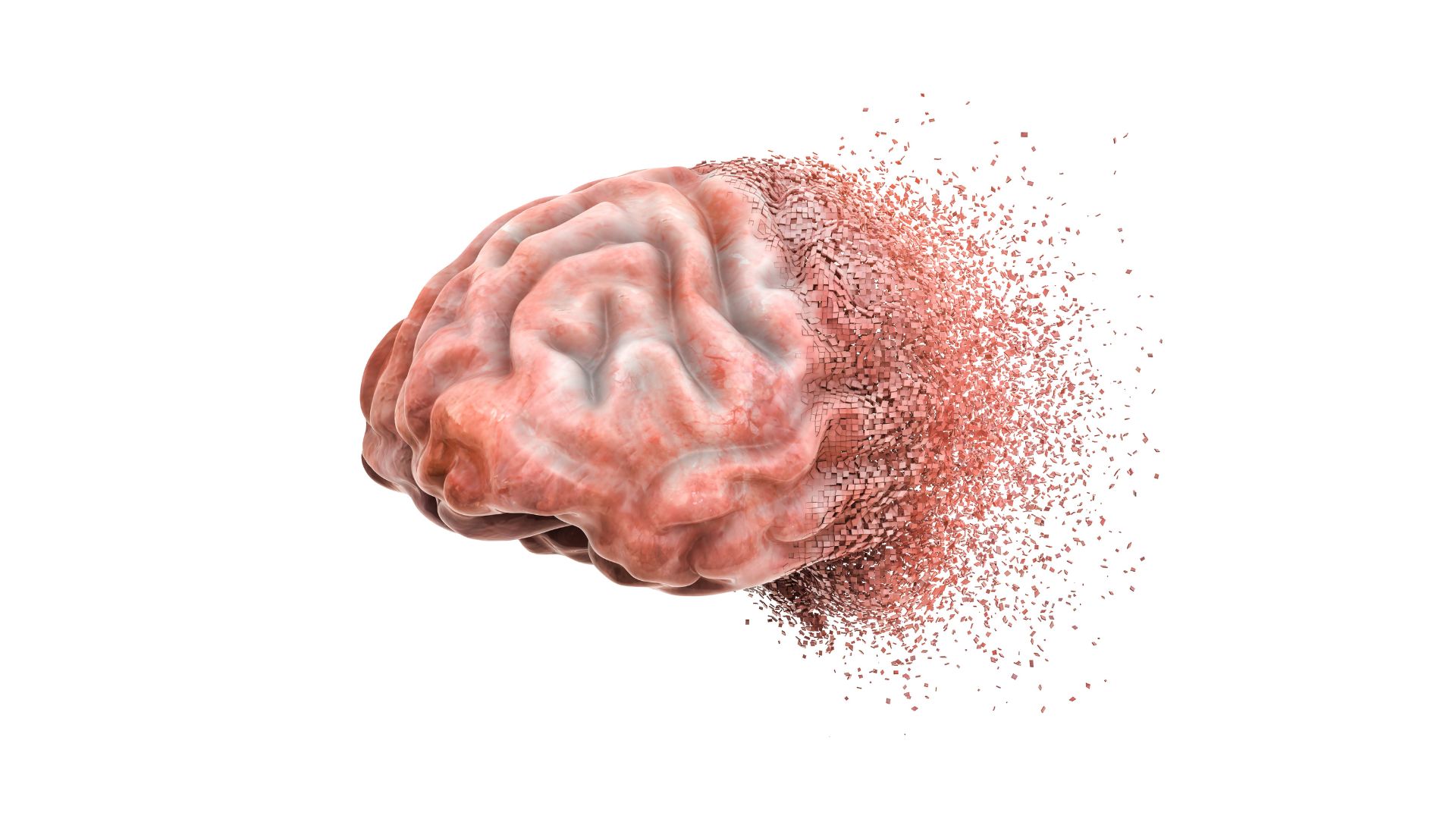
What is EMDR?
EMDR can help with stress anxiety and PTSD. EMDR (Eye Movement Desensitisation and Reprocessing) is a powerful, evidence-based therapy. It has been proven to help individuals recover from the emotional and psychological effects of trauma. It’s Recommended by both the World Health Organisation (WHO) and NICE (National Institute for Health and Care Excellence). EMDR is a leading treatment for Post-Traumatic Stress Disorder (PTSD) and other trauma-related issues. It’s an effective, scientifically supported method that helps people heal from the wounds of past experiences. EMDR therapy helps regain a sense of emotional balance and well-being.
What causes us to have triggers?
When we experience a traumatic event—whether it’s a deeply painful breakup, childhood neglect, bullying, accidents, loss, or abuse. Our brains can sometimes struggle to process the emotions attached to those events. Instead of being properly “filed” and processed in the brain like ordinary memories. These traumatic experiences can become “stuck” in the mind. This means that, even years later, the memories can be easily triggered by everyday sights, sounds, or even sensations. For example, a familiar smell or sound could bring up feelings of panic, anxiety, fear, or sadness, leaving you feeling on edge, emotionally drained, or stuck in the past.
EMDR helps you release those stuck memories.
By guiding the brain through a reprocessing process. The technique uses bilateral stimulation, typically in the form of guided eye movements, or tapping. This is similar to what happens in our brains during REM (rapid eye movement) sleep. Bilateral stimulation involves alternating stimulation of both sides of the brain, which helps facilitate the brain’s natural healing processes. This allows the traumatic memory to be processed more thoroughly. Which reduces its emotional charge and helps the brain to store the memory in a healthier, more normal, less distressing way.
You don’t have to go into detail about the traumatic event.
Although EMDR can help with stress anxiety and PTSD. You don’t have to go into detail about the traumatic event itself. In fact, one of the unique aspects of EMDR is that you don’t have to relive painful experiences or tell your story in full. Instead, the therapy focuses on how the trauma affects you emotionally, physically, and mentally in the present. You’ll work with the feelings, thoughts, and sensations that arise during the session. I’ll guide you through the process of reframing these sensations and memories in a way that helps to restore emotional balance and freedom.
EMDR helps you process the trauma.
The goal of EMDR is to help you to process the trauma. So it no longer triggers intense emotional reactions when it comes to mind. Over time, the emotional charge attached to the traumatic memories is significantly reduced. Thus allowing you to move forward in your life with greater calm and clarity. This process is not only effective for PTSD but also works for a range of issues that may stem from past trauma.
EMDR can help with:
- PTSD and trauma-related issues: Whether from a specific traumatic event or ongoing difficult experiences. EMDR helps you process and heal from trauma.
- Anxiety and panic attacks: If you find that anxiety is triggered by past experiences or irrational fears. EMDR can help calm your response to those triggers.
- Grief and loss: EMDR can aid in processing grief. Helping you heal from the emotional weight of losing a loved one or a significant life change.
- Low self-esteem and confidence: Past experiences of trauma can often lead to feelings of low self-worth. EMDR can help reframe these limiting beliefs and build a more positive self-image.
- Childhood or relationship trauma: Whether it’s from childhood abuse, neglect, or harmful relationships. EMDR helps to address and heal the emotional scars left by these experiences.
- Phobias and fears: EMDR is highly effective for helping people overcome irrational fears and phobias. Such as fear of flying, public speaking, or specific objects or situations.
- Stress and burnout: Chronic stress, especially from trauma, can lead to burnout. EMDR helps in processing the emotional load and creating healthier coping mechanisms.
When to Seek Extra Support
If you’re ready to release the weight of old experiences that no longer serve you. EMDR could be the first step toward reclaiming control of your emotions and life. Trauma can feel like a heavy burden, but with the right therapy, you can break free from the cycle of emotional triggers and past pain. EMDR helps you move forward with greater clarity, emotional resilience, and peace.
The first step in this healing journey is to reach out and explore how EMDR can work for you. Booking a free consultation is the perfect opportunity to learn more about this therapy, ask any questions, and discuss whether it’s the right approach for your needs. This is a no-pressure, confidential, conversation to help you decide if EMDR is the right choice for you.
You don’t have to face trauma and emotional pain alone. If you’re ready to take control of your emotional well-being and start the healing process, I’m here to support you every step of the way.
07757 604348 or karenpbaker13@icloud.com